
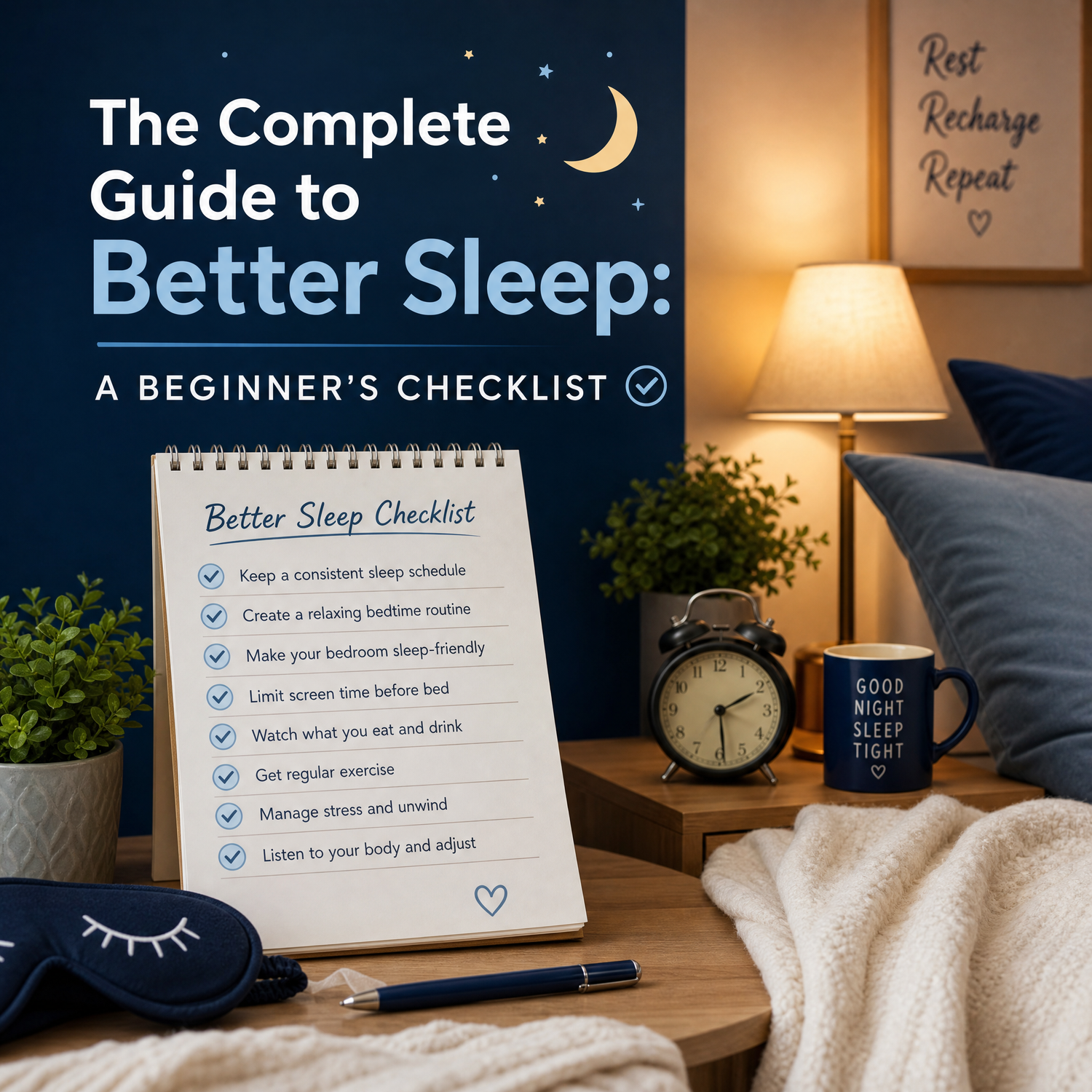
The Complete Guide to Better Sleep: A Beginner's Checklist
Most sleep advice is either obvious or overwhelming. This guide sits in the middle: a structured, actionable checklist you can work through at your own pace. You don't need to implement everything at once. Start with the highest-impact changes and build from there.
Why Sleep Quality Matters More Than Duration
Eight hours of fragmented, shallow sleep leaves you more fatigued than six hours of deep, uninterrupted rest. The goal isn't just to spend more time in bed it's to improve the quality of the sleep you're getting. That means addressing your environment, your habits, and your physiology.
Your Sleep Environment Checklist
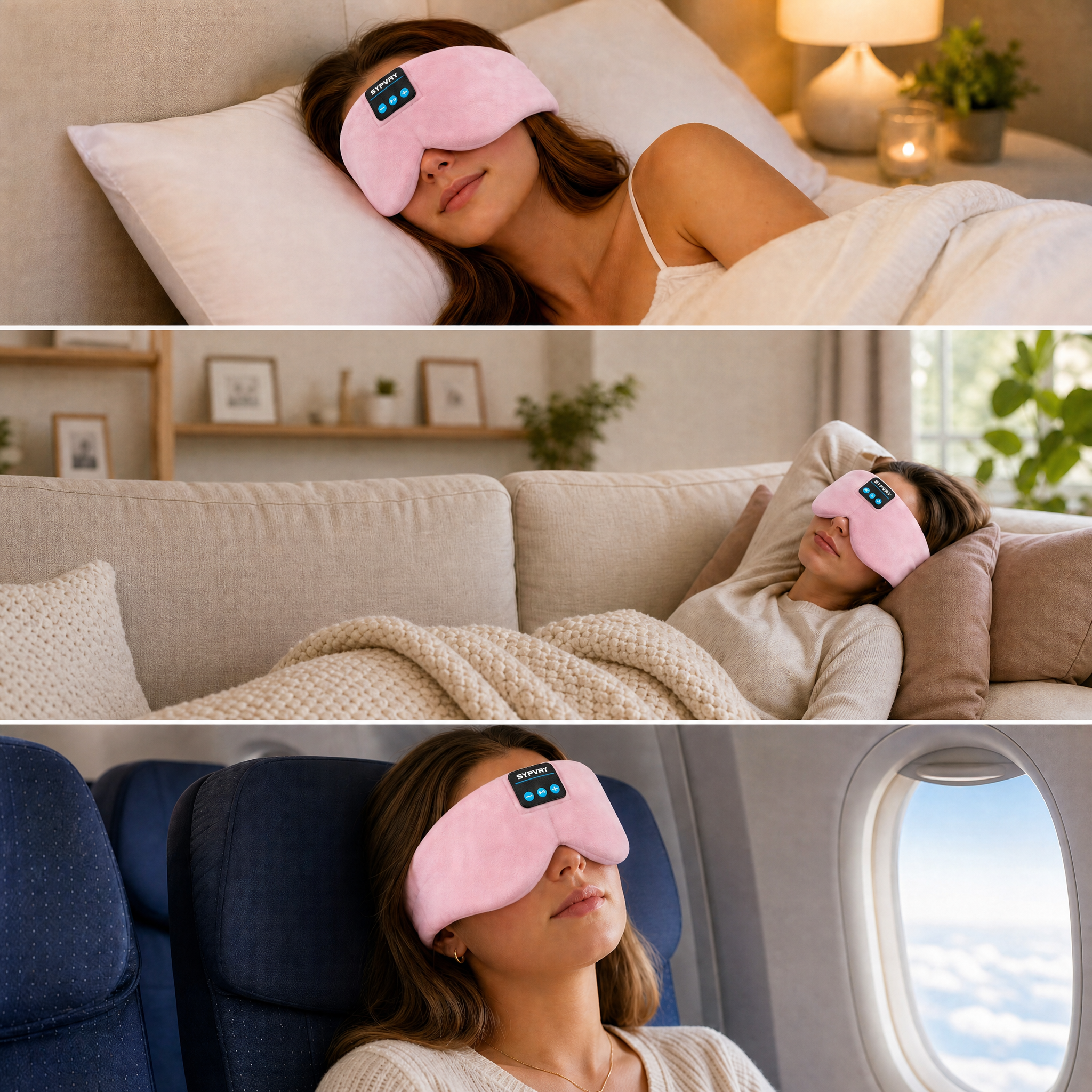
☐ Darkness. Your bedroom should be dark enough that you can't see your hand in front of your face. Light even small amounts from standby LEDs or street lamps suppresses melatonin and disrupts sleep architecture. Use blackout curtains, cover indicator lights, and consider a sleep mask for complete darkness.
☐ Temperature. The optimal sleep temperature for most adults is 16–19°C (60–67°F). A room that's too warm is one of the most common and overlooked causes of poor sleep. Lower the thermostat, use lighter bedding, or open a window.
☐ Noise. Sudden sounds not sustained ones are what wake you. A consistent background sound (white noise, a fan, or rain sounds) can mask these interruptions. Earplugs are a simple, effective alternative.
☐ Air quality. Dry or stale air can cause nasal congestion that disrupts breathing during sleep. A humidifier, open window, or nasal breathing strip can help.
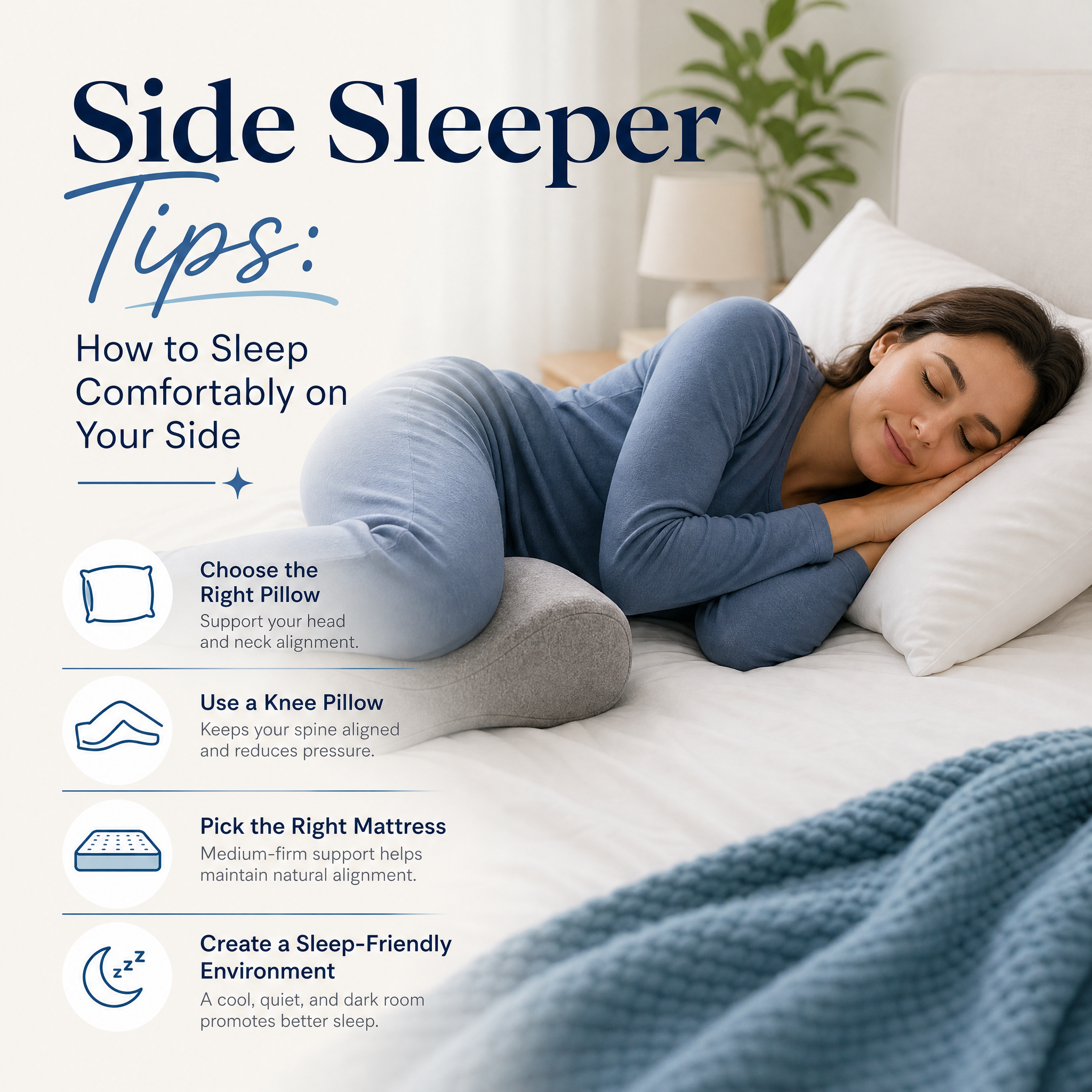
☐ Bedding. Your pillow should support your head and neck in a neutral position. If you wake with neck or shoulder tension, your pillow is likely the cause. The right pillow depends on your sleep position side sleepers need more loft than back sleepers.
Your Pre-Sleep Routine Checklist
☐ Consistent bedtime. Your circadian rhythm is a biological clock. Going to bed and waking at the same time even on weekends keeps it calibrated. Irregular sleep schedules are one of the primary drivers of chronic tiredness.
☐ Wind-down period. Give yourself 30–60 minutes before bed without stimulating activity. This isn't wasted time it's the transition your nervous system needs to shift from alert to restful.
☐ Limit screens. Blue light from phones, tablets, and laptops delays melatonin onset by up to 90 minutes. Use night mode, reduce brightness, or better still put the screen down an hour before bed.
☐ Avoid caffeine after 2pm. Caffeine has a half-life of approximately 5–6 hours. A coffee at 4pm still has half its stimulant effect at 10pm. If you're sensitive to caffeine, cut off earlier.
☐ Eat lightly in the evening. Large meals close to bedtime raise core body temperature and divert blood flow to digestion, both of which interfere with sleep onset. Aim to finish eating 2–3 hours before bed.
☐ Limit alcohol. Alcohol may help you fall asleep faster but significantly reduces sleep quality particularly REM sleep. If you drink, do so earlier in the evening and in moderation.
Your Breathing & Physiology Checklist
☐ Nasal breathing. Breathing through your nose during sleep filters air, humidifies it, and produces nitric oxide a compound that improves oxygen uptake. Mouth breathing is associated with snoring, dry mouth, and poorer sleep quality. If you struggle to breathe nasally, a nasal strip can open the airways gently.
☐ Neck posture. Poor neck alignment during sleep causes tension that accumulates overnight and manifests as morning stiffness. Your pillow should keep your spine neutral not tilted up or dropped down.
☐ Stress management. Cortisol (the stress hormone) is inversely related to melatonin. High stress = poor sleep. Even a brief journalling session, breathing exercise, or body scan before bed can lower cortisol enough to make a difference.
Your Morning Checklist
☐ Get light exposure early. Natural light in the morning resets your circadian clock and makes it easier to fall asleep the following night. Even 10 minutes outside within an hour of waking has a measurable effect.
☐ Avoid the snooze button. Fragmented sleep in the final minutes before waking is low quality and leaves you groggier than simply getting up. Set your alarm for when you actually need to rise.
☐ Track your sleep. You can't improve what you don't measure. A simple sleep journal noting bedtime, wake time, and how rested you feel reveals patterns over time. Wearables can add more granularity if you want it.
Where to Start
If you implement everything at once, you'll likely revert to old habits within a week. Instead, pick the three items from this list that feel most achievable and focus on those for two weeks. Once they're habitual, add more.
The compounding effect of consistent, small improvements is significant. Better sleep isn't a single change it's a system.

Leave a comment
This site is protected by hCaptcha and the hCaptcha Privacy Policy and Terms of Service apply.